Advocating for Homeowners Against Unlawful HOA Practices

Homeowners Associations (HOAs) are designed to maintain property values and ensure a harmonious living environment. However, many homeowners find themselves at odds with their HOAs due to unlawful practices that can infringe on their rights. This blog post aims to empower homeowners by shedding light on common HOA abuses and providing actionable steps to advocate for their rights.
Understanding the Role of HOAs
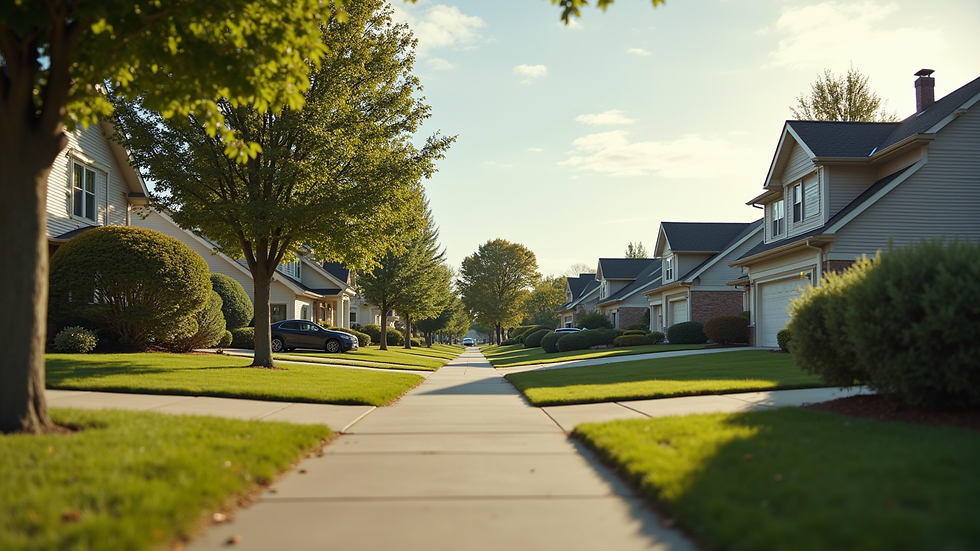
HOAs are organizations in residential communities that create and enforce rules for properties and their residents. They are typically established to maintain common areas, enforce community standards, and manage shared amenities. While many HOAs operate fairly, some engage in practices that can be detrimental to homeowners.
Common HOA Responsibilities
Maintenance of Common Areas: HOAs are responsible for the upkeep of parks, pools, and other shared spaces.
Rule Enforcement: They enforce community rules regarding property appearance, noise levels, and other regulations.
Financial Management: HOAs collect dues to fund community projects and maintenance.
Identifying Unlawful Practices
Homeowners should be aware of the following unlawful practices that some HOAs may engage in:
1. Excessive Fines
Some HOAs impose fines that are disproportionate to the violation. For example, a minor infraction like not mowing the lawn could result in a hefty fine that feels punitive rather than corrective.
2. Lack of Transparency
HOAs are required to maintain transparency regarding their financial dealings. If an HOA refuses to provide financial statements or meeting minutes, it may be violating state laws.
3. Discriminatory Practices
HOAs must adhere to fair housing laws. Discrimination based on race, religion, or other protected characteristics is illegal. Homeowners should be vigilant about any practices that seem to favor one group over another.
4. Ignoring Homeowners' Rights
HOAs must follow their own governing documents. If they fail to adhere to their bylaws or impose rules without proper procedures, they may be acting unlawfully.
Steps to Advocate for Your Rights
If you believe your HOA is engaging in unlawful practices, here are steps you can take to advocate for your rights:
1. Know Your Governing Documents
Familiarize yourself with your HOA's bylaws, rules, and regulations. Understanding these documents will help you identify any violations.
2. Document Everything
Keep a record of all communications with your HOA, including emails, letters, and meeting notes. Documentation can be crucial if you need to escalate your concerns.
3. Engage with Other Homeowners
Connect with your neighbors to discuss shared concerns. A united front can be more effective in addressing issues with the HOA.
4. Attend HOA Meetings
Participating in HOA meetings allows you to voice your concerns directly. It also provides an opportunity to stay informed about community issues and decisions.
5. Seek Legal Advice
If your HOA continues to engage in unlawful practices, consider consulting with an attorney who specializes in HOA law. They can provide guidance on your rights and potential legal actions.
Case Studies of Successful Advocacy
Case Study 1: Excessive Fines
In a suburban community, homeowners faced fines for minor landscaping issues. After gathering evidence and documenting their experiences, they approached the HOA board collectively. Their united front led to a review of the fine structure, resulting in a more reasonable approach to enforcement.
Case Study 2: Lack of Transparency
A group of homeowners in a different community discovered that their HOA was not providing financial statements as required. They organized a petition demanding transparency and presented it at the next HOA meeting. The board agreed to implement regular financial updates, restoring trust within the community.
Resources for Homeowners
1. State Laws
Research your state’s laws regarding HOAs. Many states have specific regulations that protect homeowners from unlawful practices.
2. Local Advocacy Groups
Consider joining local advocacy groups that focus on homeowner rights. These organizations can provide support and resources for navigating HOA issues.
3. Online Forums
Engage in online forums where homeowners share their experiences and advice regarding HOA disputes. These platforms can offer valuable insights and strategies.
Conclusion
Advocating for homeowners against unlawful HOA practices is essential for maintaining a fair and just community. By understanding your rights, documenting issues, and engaging with your neighbors, you can effectively challenge any unlawful practices your HOA may employ. Remember, knowledge is power, and standing up for your rights can lead to positive changes in your community. Take action today to ensure that your voice is heard and your rights are protected.


Comments